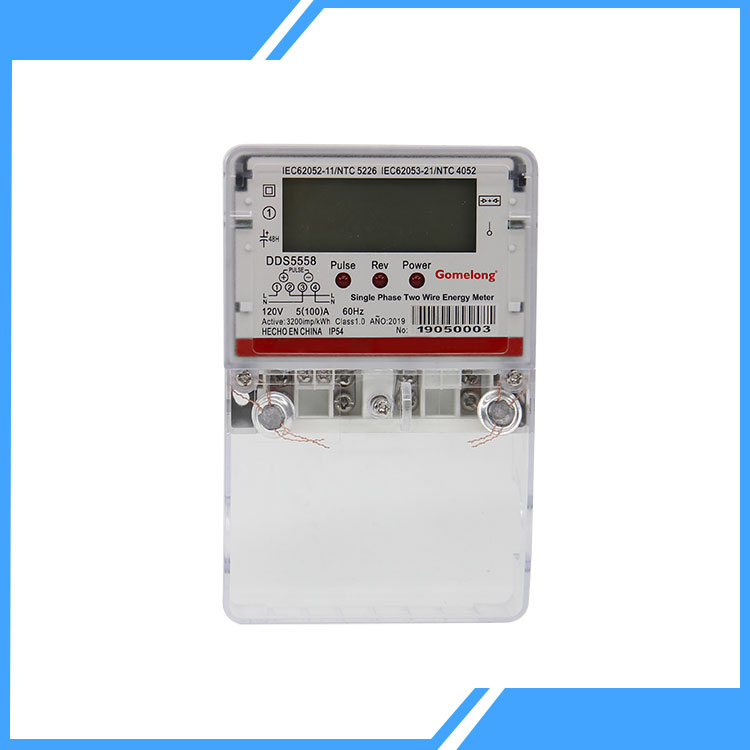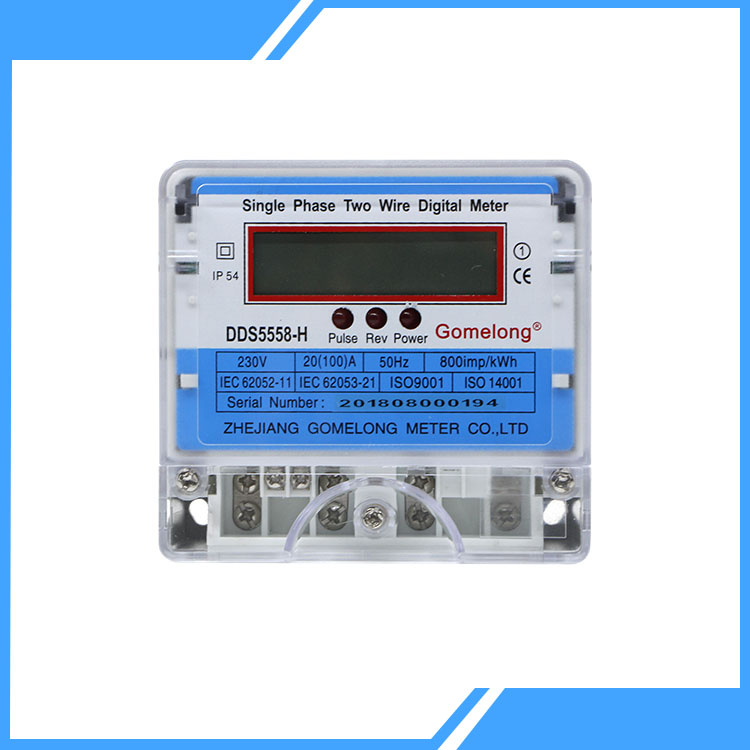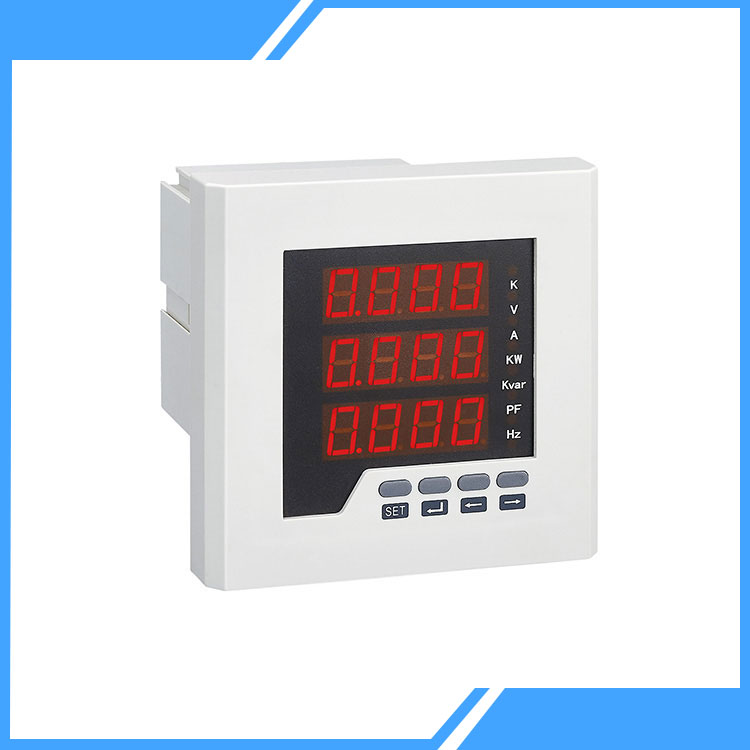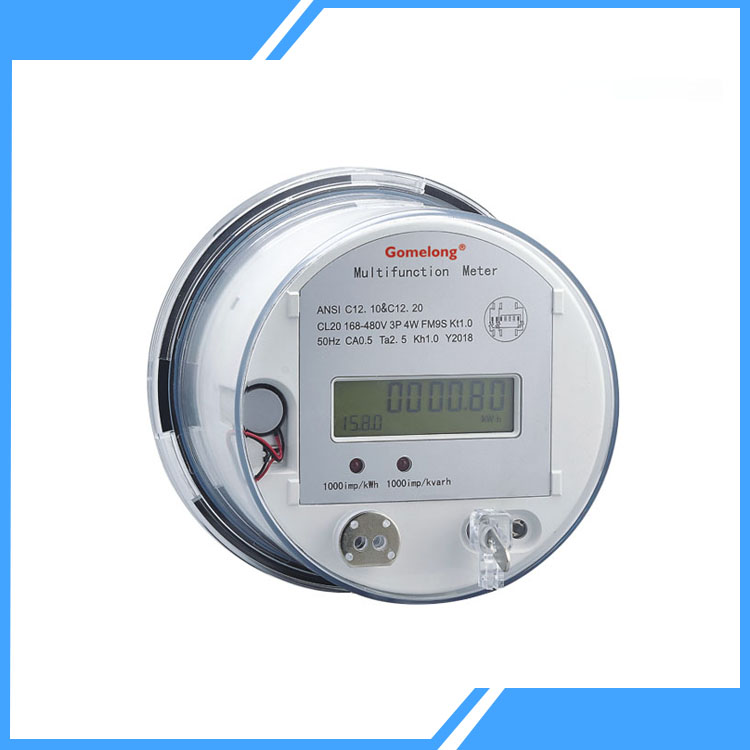
Choosing an ANSI Socket Meter often looks simple on paper, but many buyers discover problems only after installation. Slow field replacement, difficult communication setup, poor long-term stability, unclear reading visibility, and mismatched application requirements can all turn a standard meter purchase into a costly maintenance issue. This article explains what practical buyers should really focus on before selecting an ANSI Socket Meter, how socket-type designs help reduce service disruption, what communication features improve day-to-day management, and why product consistency matters as much as technical specifications.
Drawing on the product direction of Zhejiang Gomelong Meter Co., Ltd, this guide looks at real purchasing concerns from the perspective of utilities, distributors, project contractors, and facility operators who need dependable outdoor metering for residential and light-duty network environments. It is written to help readers move from comparing listings to making a more confident buying decision.
An ANSI Socket Meter is not just another meter format. In practical operation, it is valued because the socket-based structure simplifies installation, replacement, and field servicing. That matters far more than many first-time buyers expect. In utility and residential environments, the true cost of a meter is not only the purchase price. It also includes downtime, technician labor, maintenance complexity, communication convenience, and the risk of early replacement.
When buyers focus only on catalog specifications, they can overlook the real-world pressure points. A meter may look acceptable in a quotation sheet, but once it is installed outdoors and expected to deliver stable readings over time, details suddenly matter. Is the meter easy to read? Can technicians handle setup efficiently? Can data be accessed without unnecessary site work? Will the unit keep performing in changing field conditions? These are the questions that separate a routine purchase from a smart one.
For many users, the appeal of an ANSI Socket Meter lies in its balance between structured installation and operating convenience. In residential and light network applications, that balance helps reduce handling friction. A buyer is not simply purchasing a device. They are purchasing smoother service cycles, more predictable maintenance, and fewer avoidable interruptions.
The most common pain points around an ANSI Socket Meter are surprisingly consistent across markets. Buyers may use different technical language, but the underlying concerns usually fall into the same few categories. They want dependable operation, easier service, manageable communication, and confidence that what they order is what they will continue receiving in future batches.
Here are the pain points that usually deserve attention before anything else:
From a commercial perspective, these concerns are not minor. They influence operational continuity, manpower use, and customer satisfaction. A buyer managing residential accounts or distributor inventory cannot afford uncertainty every time a meter needs to be installed, tested, or replaced.
| Buyer Concern | Why It Matters | What to Look For |
|---|---|---|
| Field installation | Reduces labor delays and fitting issues | Socket compatibility, practical structure, clear product positioning |
| Outdoor use | Affects durability in exposed conditions | Design suited for residential outdoor environments |
| Communication access | Improves setup, reading, and management efficiency | Infrared communication and RS485 capability where needed |
| Long-term consistency | Prevents quality variation between orders | Reliable manufacturing process and repeatable product quality |
| Service support | Helps buyers resolve issues faster | Responsive supplier communication and practical product guidance |
One of the biggest practical advantages in a modern ANSI Socket Meter is not only measurement itself, but how the meter can be accessed and managed after installation. Communication features directly affect operational convenience. That is why more buyers now ask what happens after the meter is in service, not just what it can do in a brochure.
A meter with infrared communication can make basic setup and testing more convenient during local service work. That helps technicians perform essential tasks in a more direct way without turning a routine check into a slow procedure. In many environments, this alone can improve workflow because it reduces friction during commissioning and inspection.
RS485 communication adds another layer of value. For buyers who need stronger management efficiency, remote access can support reading meter data and setting meter parameters more effectively. This matters because modern operations are under constant pressure to do more with less time. When a meter supports practical data access and control, service teams can work with better visibility and fewer unnecessary site-level interruptions.
In other words, communication features are not decorative specifications. They help solve actual field problems:
If a buyer is comparing one ANSI Socket Meter against another, communication capability is one of the fastest ways to judge whether a product is designed for modern operation or only for basic listing compliance.
Before choosing an ANSI Socket Meter, smart buyers usually slow down and confirm a few practical details that can save time later. This is especially important when the meter will be used in volume purchasing, contractor supply, or repeated project delivery. The goal is not to overcomplicate procurement. The goal is to avoid obvious headaches that could have been prevented with a better checklist.
A useful review process includes the following points:
For many buyers, the real challenge is not finding an ANSI Socket Meter supplier. It is finding one that understands how the product will behave in an ongoing business relationship. Procurement is rarely a one-time event. If your market grows, your supply demands grow with it. That is why experienced buyers often value manufacturing discipline as much as price negotiation.
Price matters. Of course it does. But in meter purchasing, price only tells part of the story. A lower initial quote can become more expensive if it leads to slower maintenance, extra technician time, difficult communication handling, or more frequent replacement. A better way to compare an ANSI Socket Meter is to look at total operating value.
Here is a simple comparison approach buyers can use when reviewing offers:
| Comparison Area | Low-Value Purchase Pattern | Higher-Value Purchase Pattern |
|---|---|---|
| Quotation review | Only checks unit price | Checks fit, communication, service convenience, and repeat supply quality |
| Installation planning | Assumes all socket meters perform similarly | Reviews real deployment and replacement needs before purchase |
| Communication use | Treated as optional detail | Evaluated as an operational efficiency factor |
| Supplier selection | Based on lowest immediate cost | Based on product stability and long-term cooperation potential |
| Lifecycle thinking | Focuses on short-term spend only | Focuses on maintenance cost, data access, and service continuity |
This is where experienced manufacturers stand out. When a supplier has spent years refining production and improving consistency, buyers benefit from more predictable outcomes. Zhejiang Gomelong Meter Co., Ltd is the kind of company buyers often evaluate in this context: not only for product availability, but for the ability to support practical meter applications with a clearer understanding of field use and repeat manufacturing demands.
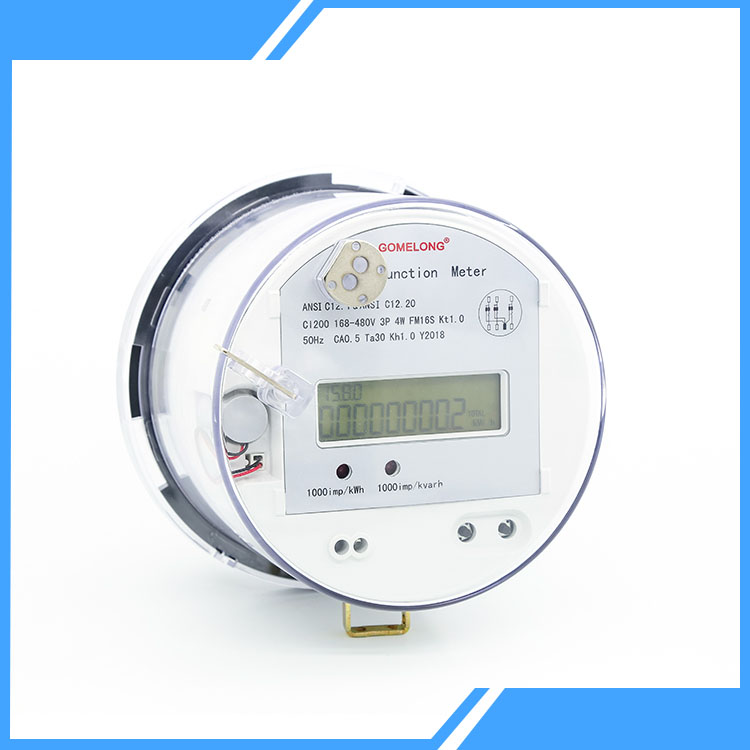
For distributors, utilities, and project buyers, the meter itself is only part of the decision. Long-term supply reliability is what protects future business. A dependable ANSI Socket Meter source makes planning easier, reduces procurement stress, and supports smoother follow-up orders when demand increases.
Consistency is often underestimated because it is not dramatic. When it is present, the process feels normal. When it is missing, everything becomes harder. Product matching becomes less reliable. Reordering becomes riskier. Technical coordination becomes slower. Buyers then spend extra time fixing problems that should never have appeared in the first place.
This is why many professional buyers prefer to work with suppliers that show clear product focus rather than scattered catalogs with weak technical continuity. A supplier with structured experience in socket meters, communication capability, and practical production management is better positioned to support serious purchasing needs. In everyday business terms, that means fewer surprises and better confidence from quotation to delivery.
When evaluating an ANSI Socket Meter, the best question is not simply “Can this meter work?” The better question is “Can this supplier support this meter properly over time?” That shift in thinking usually leads to better procurement decisions.
A well-chosen ANSI Socket Meter should do more than meet a specification sheet. It should help reduce field friction, support easier data access, improve management efficiency, and hold up as part of a stable long-term supply plan. Buyers who look beyond the lowest quote usually make better decisions because they compare the full operating value of the meter, not just the immediate purchase number.
If you are looking for a practical meter solution supported by focused manufacturing experience, Zhejiang Gomelong Meter Co., Ltd is worth serious consideration. The right choice today can save time, labor, and unnecessary service pressure tomorrow. If you are ready to discuss your project, product selection, or bulk purchasing plan, contact us now and let our team help you find the right ANSI Socket Meter solution for your market.
Tell us your application, meter type, and quantity requirements, and we will help you match a solution that fits your project more efficiently. For quotations, product details, and business cooperation, contact us today.