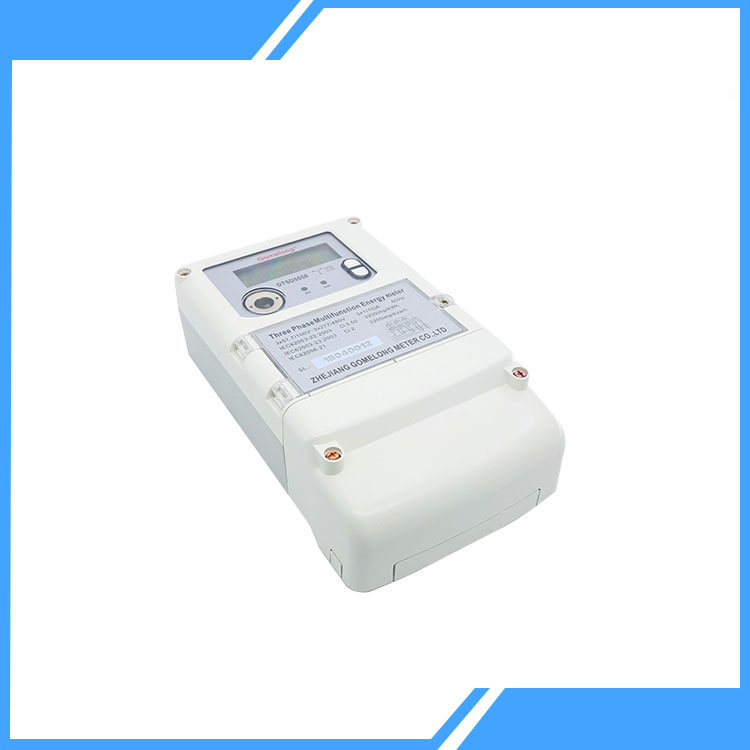
In brief, PLC instruments are suitable for large-scale industrial automation but require technical expertise and higher costs, while three-phase instruments are more appropriate for tasks with tight budgets or direct monitoring.
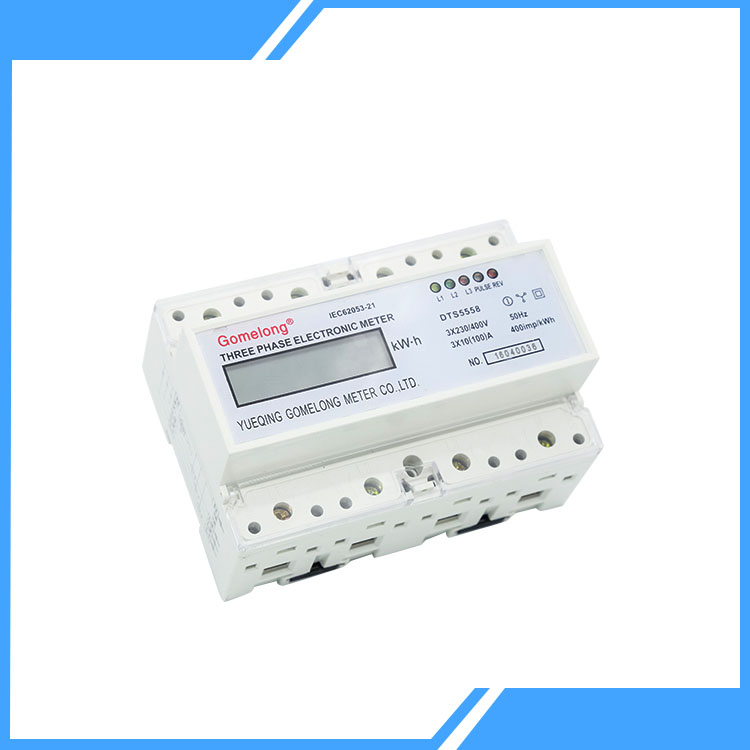
A Din Rail Meter is often chosen when electrical cabinets, sub-distribution boards, rental units, solar systems, small factories, and commercial buildings need compact energy measurement without wasting panel space.
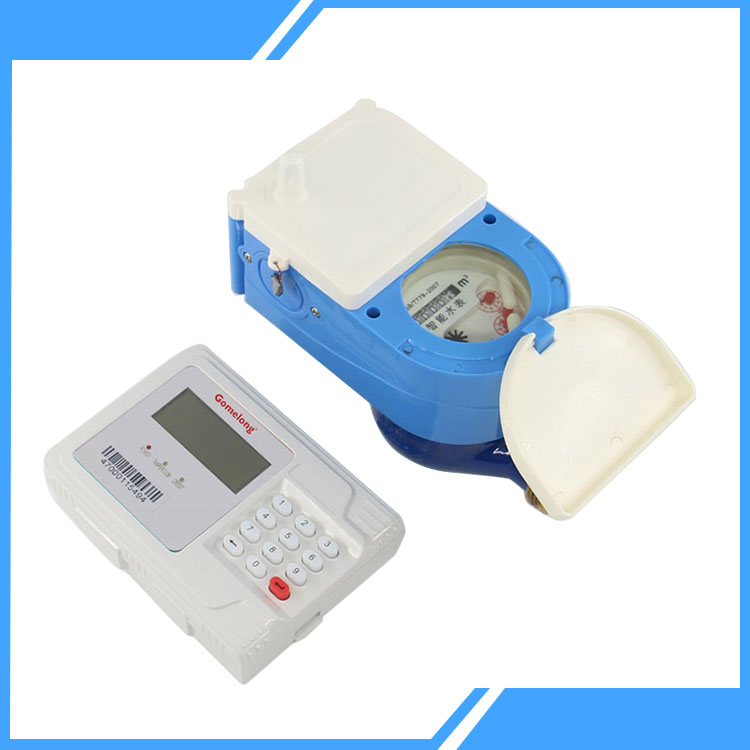
A Prepaid Water Meter is no longer just a billing tool. For many property managers, utilities, developers, and end users, it has become a practical answer to delayed payments, difficult meter reading, wasteful consumption, tenant disputes, and operational inefficiency.
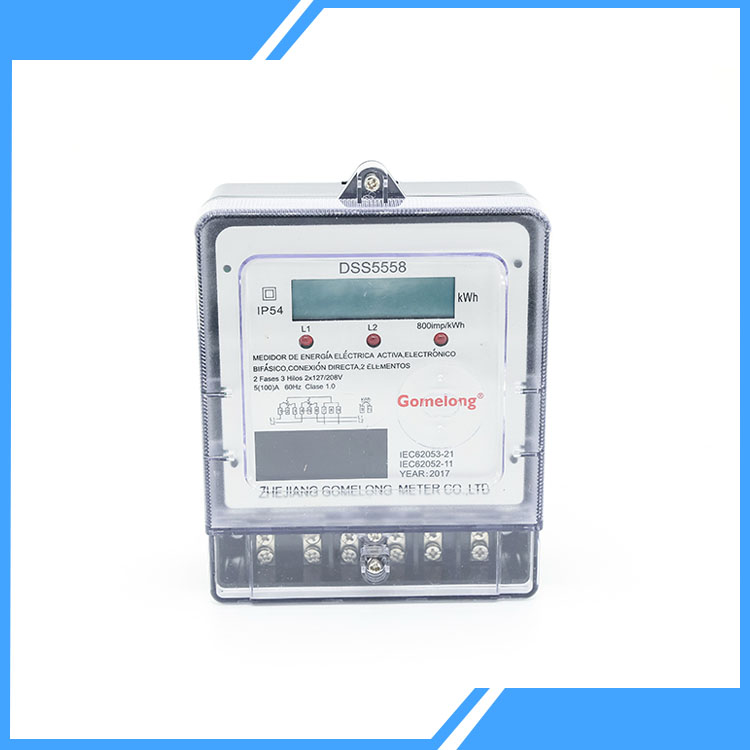
When people search for a reliable Two Phase Electric Meter, they are rarely looking for a device alone. What they actually want is confidence.
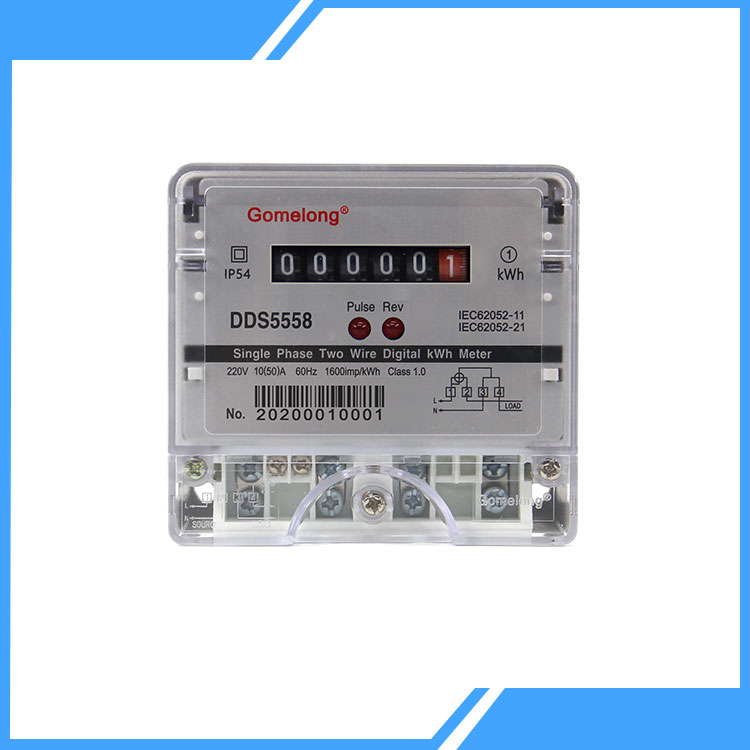
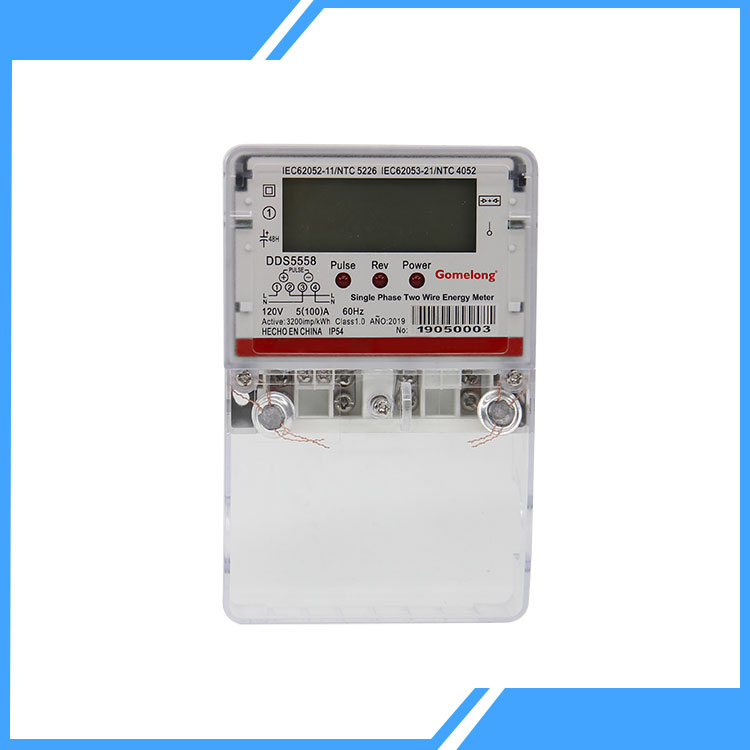
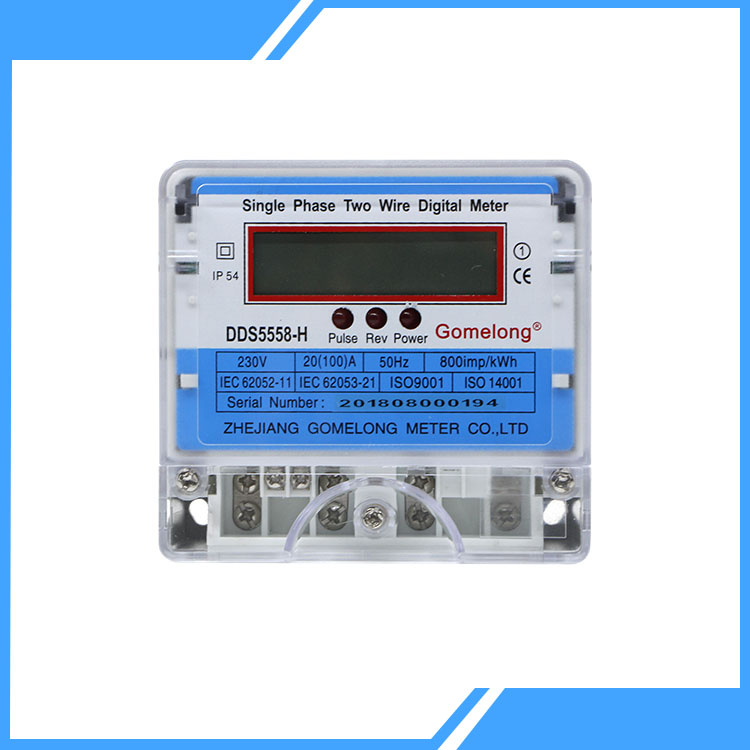
Buying a Single Phase Electric Meter may look simple at first, but anyone who has dealt with unstable readings, mismatched specifications, difficult installation, or repeated after-sales complaints knows it is not just another routine product decision.
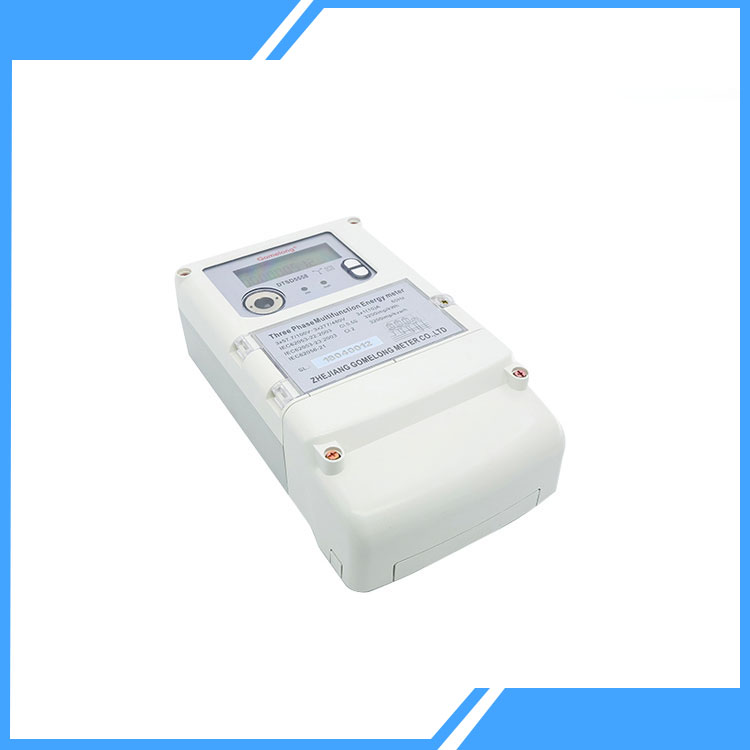
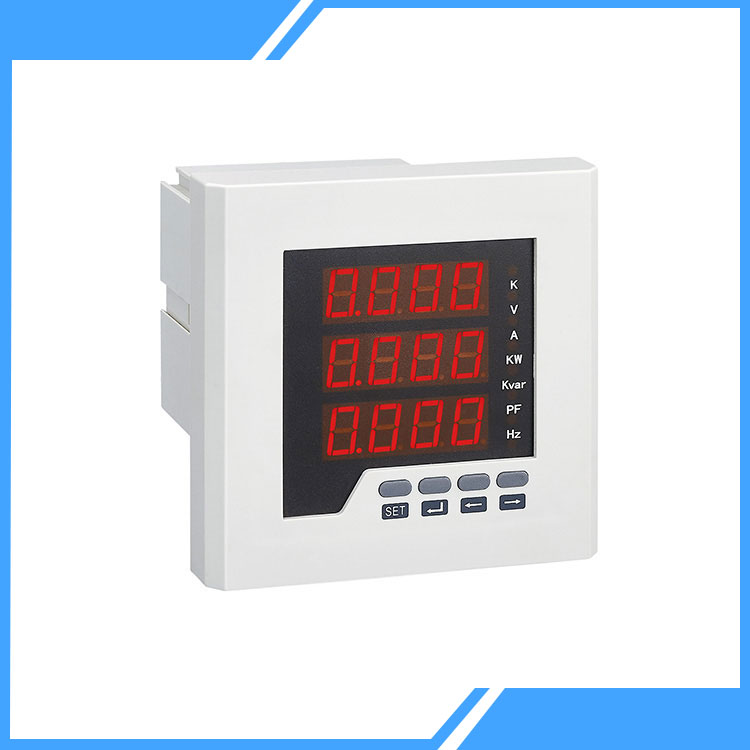
In many facilities, power data is everywhere but useful visibility is nowhere. Teams still rely on scattered instruments, delayed inspections, manual logs, and reactive troubleshooting.