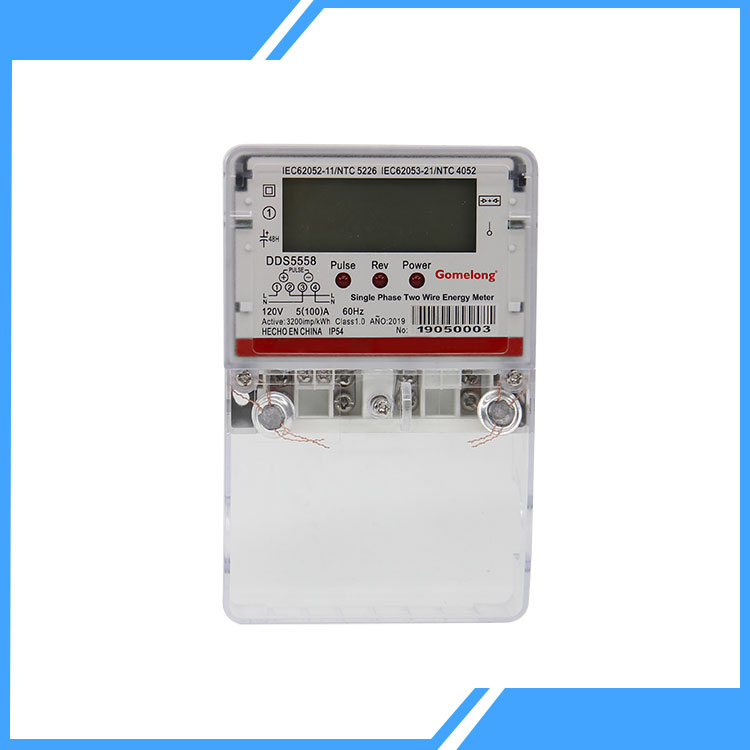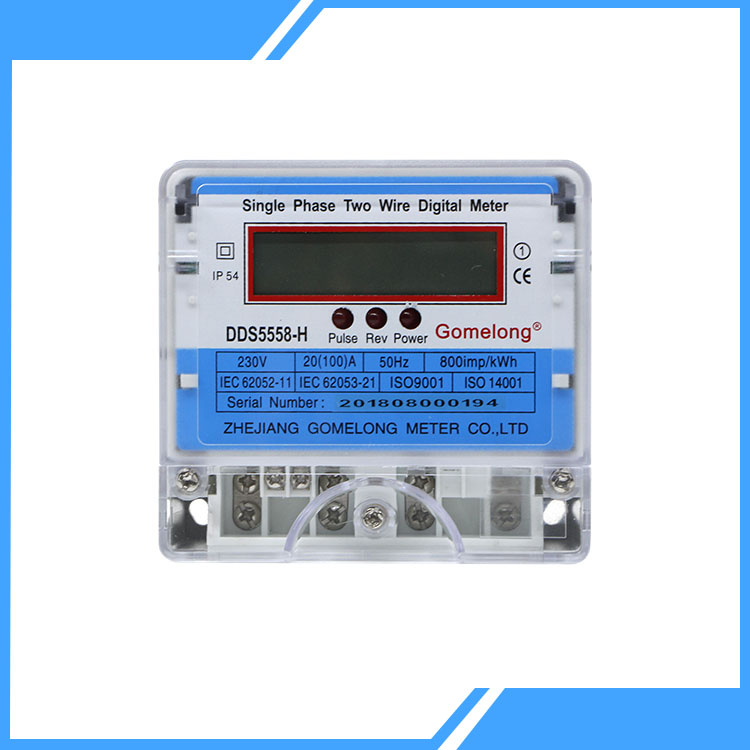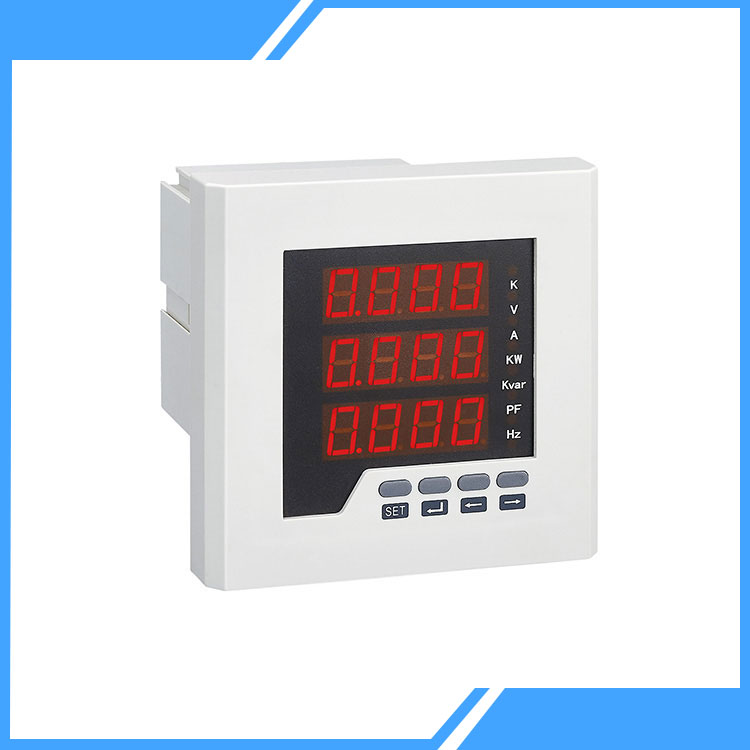
When people search for a reliable Two Phase Electric Meter, they are rarely looking for a device alone. What they actually want is confidence. They want stable readings, fewer billing disputes, dependable long-term performance, and equipment that fits real installation conditions instead of creating new problems after purchase. That is exactly why many buyers spend more time comparing meter structure, communication options, measurement stability, and production consistency before they make a final decision.
At Zhejiang Gomelong Meter Co., Ltd., this need is easy to understand. In practical projects, a meter must do more than display numbers. It has to support day-to-day energy tracking, reduce manual checking pressure, and keep working accurately in actual residential or light commercial environments. A well-made Two Phase Electric Meter becomes valuable not because it sounds technical, but because it solves real operational pain points with quiet consistency.
This article explains what a Two Phase Electric Meter is, where it is used, and why buyers care so much about accuracy, reliability, communication compatibility, and installation suitability. I also break down the most common purchasing concerns, compare important technical and commercial factors, and show how choosing the right meter can reduce errors, simplify management, and support better long-term value.
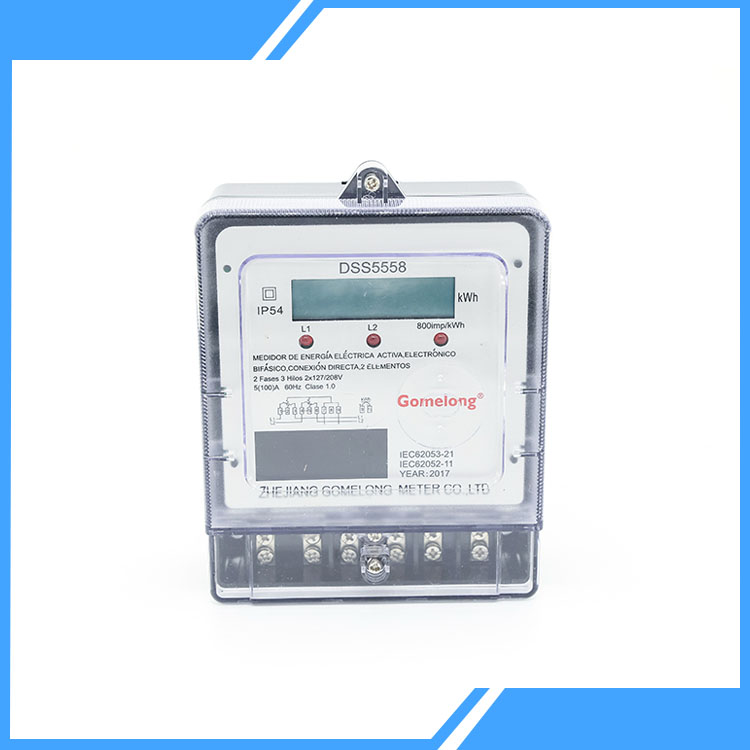
A Two Phase Electric Meter is used to measure electrical energy consumption in systems where two-phase or two-phase three-wire measurement is required. In practice, buyers usually choose this kind of meter when they need stable monitoring of voltage, current, and energy use in a configuration that does not fit standard single-phase measurement needs. The main goal is straightforward: record energy use accurately enough to support billing, monitoring, control, and operational decisions.
That sounds simple, but the consequences of inaccurate metering are not simple at all. A weak meter can create small deviations that grow into large trust issues. A maintenance team may waste time investigating “abnormal” consumption that is actually caused by poor measurement consistency. A distributor may end up handling complaints that have less to do with wiring and more to do with unstable product quality. This is why the meter itself deserves more attention than many buyers first assume.
Many buyers enter the market thinking the decision will be easy. They assume that if two products look similar and share a familiar description, performance will also be similar. That is where trouble starts. The real difference often appears after installation, when reading stability, communication reliability, or environmental tolerance begins to matter.
Here are some of the most common pain points I see buyers trying to avoid:
These problems affect more than the end user. They affect distributors, contractors, panel builders, utilities, and procurement teams. Once a meter is installed in volume, even a small design weakness can scale into expensive after-sales work. That is why a Two Phase Electric Meter should be evaluated as part of a system decision, not just as a catalog item.
Technical language can easily become noisy, so I prefer to bring the conversation back to what matters in practice. A strong Two Phase Electric Meter should support stable measurement, dependable internal processing, and a structure that performs well over time. Buyers also benefit when the meter supports communication options that make remote reading or system integration easier.
From a purchasing perspective, the following features deserve close attention:
| Feature | Why It Matters | What Buyers Should Ask |
|---|---|---|
| Measurement Accuracy | Directly affects billing credibility and monitoring value | What accuracy class is available and how stable is it over time? |
| Digital Sampling Capability | Supports precise signal handling and measurement consistency | How does the meter process voltage and current signals? |
| SMT-Based Production | Can improve consistency and reliability in manufacturing | How mature is the production process? |
| Communication Function | Useful for monitoring systems and data access | Does it support protocols needed for the project? |
| Display and Readability | Reduces operator confusion and speeds up verification | Is the reading interface clear and practical? |
| Application Suitability | Ensures the product matches the real usage environment | Was it designed with actual user conditions in mind? |
The official product information from Zhejiang Gomelong Meter Co., Ltd. highlights several of these same strengths, including digital sampling technology, advanced SMT technology, strong accuracy, and high reliability, all framed around actual resident electricity usage conditions. Those are meaningful points when buyers are comparing long-term usability rather than just initial specifications. :contentReference[oaicite:1]{index=1}
One mistake buyers make is comparing only by unit price. That approach feels efficient, but it often hides the true cost of ownership. A meter that saves a small amount upfront can cost more later through maintenance, replacement, site visits, downtime, or customer complaints. A clearer comparison should balance technical value, production confidence, and service support.
| Comparison Point | Low-Visibility Risk | Better Evaluation Method |
|---|---|---|
| Unit Price | Can distract from lifecycle cost | Compare price together with service life and support |
| Datasheet Similarity | Different products may look identical on paper | Ask about testing, process control, and field performance |
| Communication Option | Integration costs may appear later | Confirm protocol compatibility before purchase |
| Supplier Experience | Inconsistent orders and weak follow-up | Review manufacturing background and export responsiveness |
| Application Match | Improper fit leads to operational issues | Choose products designed for realistic usage conditions |
I usually suggest that buyers ask a simple question: if I place a repeat order six months from now, will I get the same level of performance and the same level of support? If the answer feels uncertain, the “cheap” option is probably not cheap at all.
A Two Phase Electric Meter is valuable in projects that require dependable measurement in two-phase or two-phase three-wire systems. Typical usage may include residential distribution environments, sub-metering tasks, small facilities, utility-adjacent applications, and projects where accurate energy records are necessary for management or billing.
In practical terms, buyers tend to value this meter in the following situations:
The more important the data becomes to downstream decisions, the more important meter quality becomes at the front end.
Before placing an order, I would not focus only on the obvious specification sheet. I would also check whether the product is genuinely suitable for the operational reality of the project. A meter can look polished in a listing and still become inconvenient once it reaches the site.
Here is a practical selection checklist:
A trustworthy supplier should be able to answer these questions clearly. Not perfectly polished, not overly theatrical, just clearly. That usually tells you a lot about what the purchasing experience will feel like after the invoice is issued.
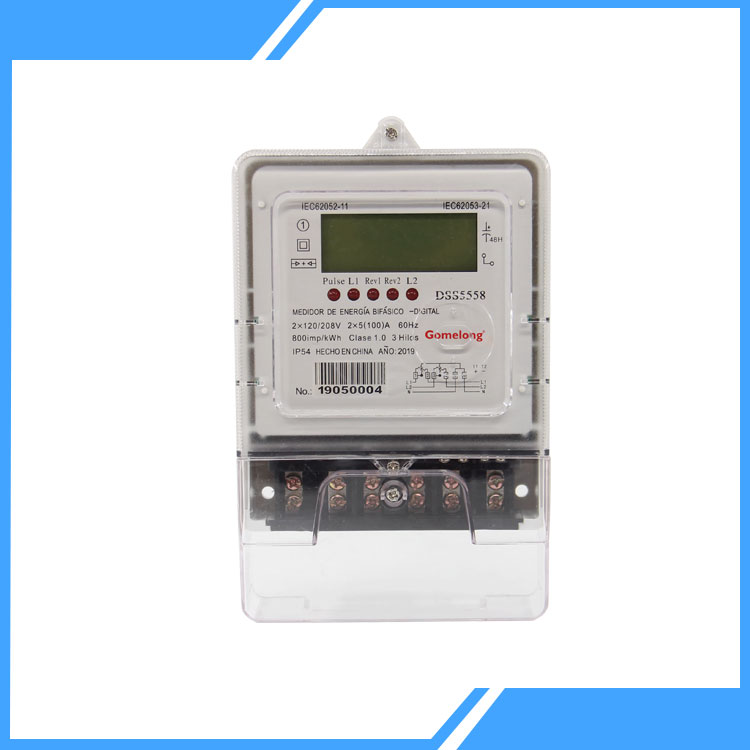
Buyers often talk about products, but long-term satisfaction usually depends on manufacturers. The meter itself matters, of course, yet the people behind the product determine production stability, documentation quality, lead-time consistency, communication efficiency, and the ability to support customization or repeat supply.
This is where Zhejiang Gomelong Meter Co., Ltd. becomes relevant in a practical way. The company’s official product presentation emphasizes ongoing manufacturing experience in Two Phase Electric Meter production, along with a focus on accuracy, reliability, and consistency. Those are not empty selling points when your project depends on repeatable results. For buyers who care about supply continuity as much as product function, manufacturer capability is not a background detail. It is part of the product value itself. :contentReference[oaicite:2]{index=2}
I also think experienced manufacturers tend to understand something that newer or less focused suppliers sometimes miss: buyers are not purchasing a meter to admire it. They are purchasing predictability. Predictable quality. Predictable readings. Predictable support. Predictable reorder performance. That is what builds trust.
What is the main benefit of using a Two Phase Electric Meter?
Its main benefit is accurate and dependable energy measurement in suitable two-phase applications, which helps with monitoring, control, and billing confidence.
Why is accuracy so important if the meter only shows small differences?
Small differences can build into larger financial or operational issues over time, especially in repeated readings, billing, and troubleshooting.
Should I care about communication functions such as Modbus RTU?
Yes, if your system needs remote reading, monitoring integration, or easier data collection. Even if it is not required immediately, it can add future flexibility.
Is a lower-priced meter always a better deal for large orders?
Not necessarily. Lower upfront pricing can be offset by inconsistent quality, higher failure rates, weaker documentation, or slower after-sales support.
How can I judge whether a supplier is reliable?
Look at product focus, manufacturing experience, clarity of technical communication, consistency in documentation, and willingness to answer practical application questions.
Why do buyers choose Zhejiang Gomelong Meter Co., Ltd. for this category?
Buyers in this segment often look for a manufacturer that combines production experience, stable quality, and application-oriented design. Those are the same strengths emphasized on the company’s official product information for its Two Phase Electric Meter range. :contentReference[oaicite:3]{index=3}
Choosing the right Two Phase Electric Meter is not about chasing the most complicated specification sheet or the lowest quoted figure. It is about selecting a product that performs steadily in real conditions, supports the way your project is managed, and comes from a manufacturer that understands what dependable supply actually means.
If your goal is better measurement confidence, easier energy management, and more reliable long-term value, then it makes sense to work with a manufacturer that treats precision and consistency as everyday requirements rather than marketing decoration. Zhejiang Gomelong Meter Co., Ltd. stands out as a company aligned with those expectations, especially for buyers who want practical performance rather than empty promises.
If you are planning a new project, comparing meter options, or looking for a dependable supplier for your next order, now is the right time to take the next step. Contact us to discuss your application, request product details, and find the right metering solution for your market with more confidence and less guesswork.