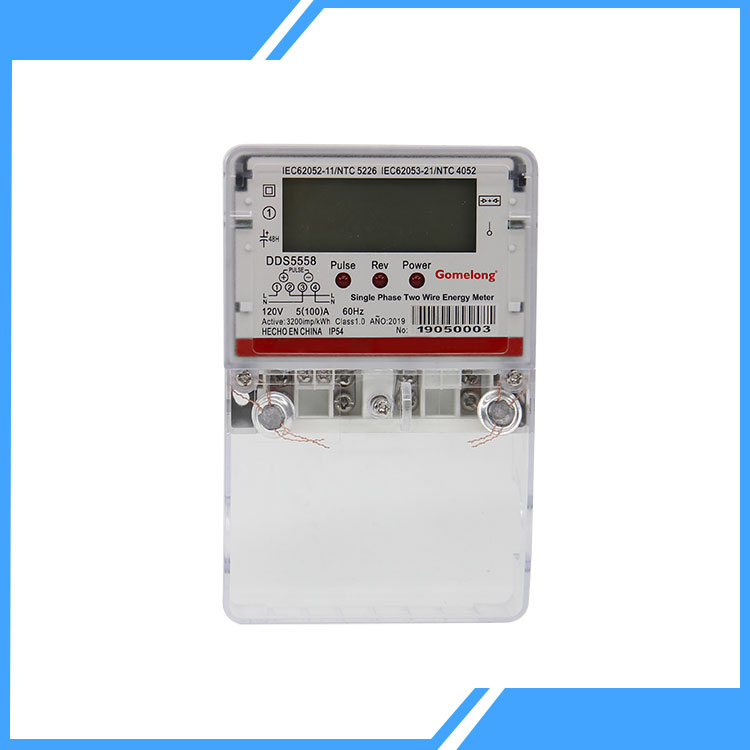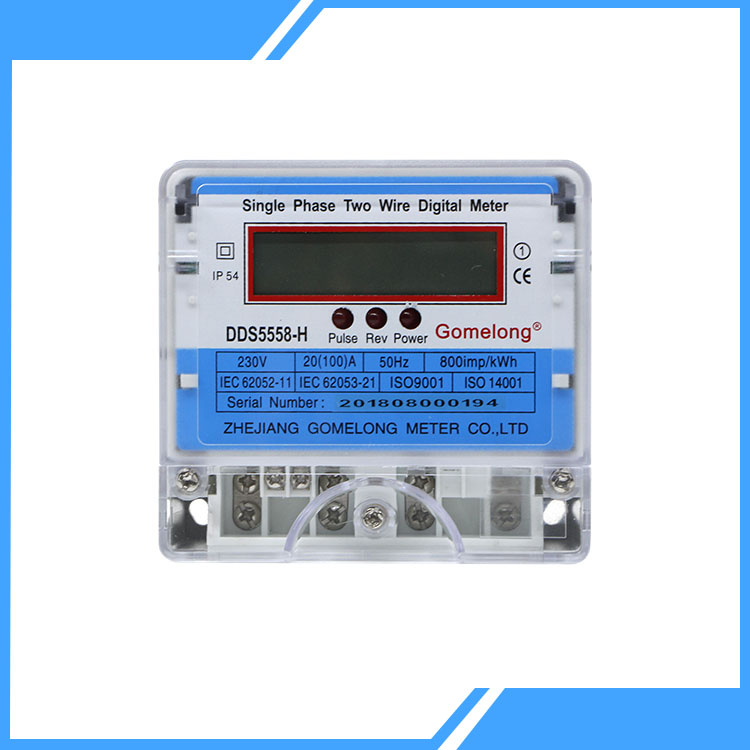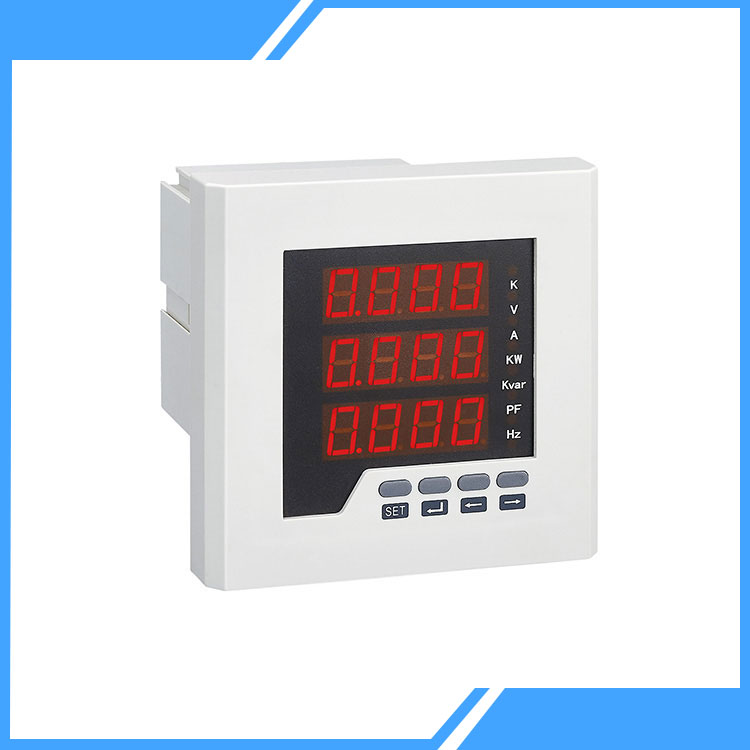
Buying a Single Phase Electric Meter may look simple at first, but anyone who has dealt with unstable readings, mismatched specifications, difficult installation, or repeated after-sales complaints knows it is not just another routine product decision. A meter is expected to work accurately, stay reliable over time, and support a smooth user experience long after it leaves the factory. That is why more buyers now pay attention not only to the quotation, but also to product consistency, structural quality, technical suitability, and supplier responsiveness. In this article, I want to talk about what really matters when choosing a Single Phase Electric Meter, what common mistakes buyers should avoid, and why manufacturers such as Zhejiang Gomelong Meter Co., Ltd. are attracting more interest from importers, distributors, project contractors, and utility-related purchasers.
This article explains how to evaluate a Single Phase Electric Meter from a practical purchasing perspective rather than from a purely promotional one. I focus on the problems buyers actually face, including poor accuracy stability, unclear product matching, weak material quality, and slow supplier support. I also break down the main factors that influence long-term value, such as meter performance, durability, application fit, installation convenience, and manufacturing capability. If you want to choose a meter that supports reliable long-term use instead of creating hidden trouble after delivery, this guide will give you a more useful framework for decision-making.
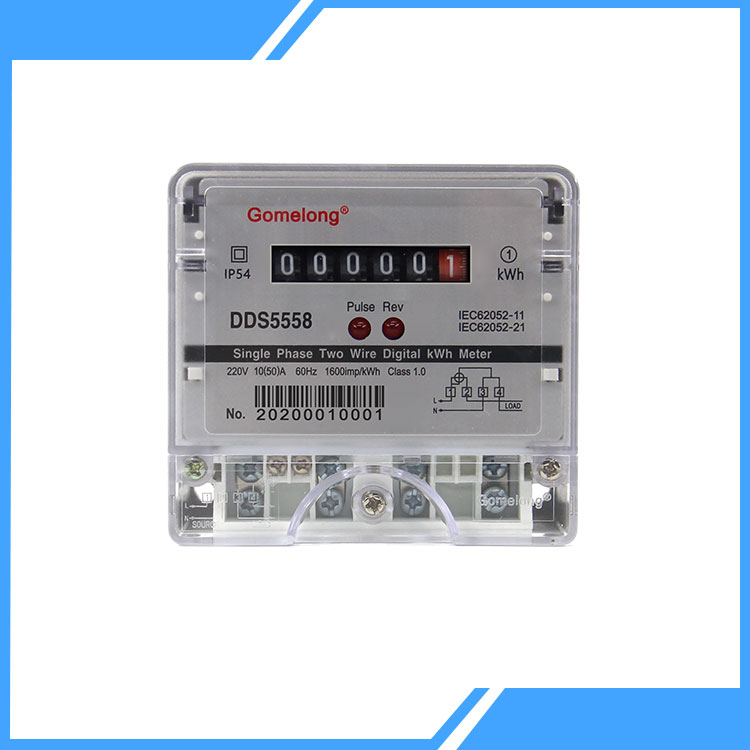
A lot of buyers begin with the assumption that one meter is much the same as another, especially when they are all described as single phase products. That assumption is where many avoidable problems begin. On paper, several products may look comparable. In reality, the difference between them often shows up after installation, during long-term operation, or when customer complaints start coming in.
A Single Phase Electric Meter plays a direct role in energy measurement, billing confidence, equipment monitoring, and day-to-day management of power consumption. If the meter performs poorly, the damage goes beyond the product itself. It can affect labor efficiency, project credibility, maintenance cost, and customer trust. A weak purchase decision may lead to reinstallation, recalibration concerns, delayed project handover, or repeated explanations to end users. That is why serious buyers treat the meter as a long-term operating component rather than a low-priority accessory.
I also think this category is often underestimated because its job appears straightforward. People see a meter, a display, a housing, and a few terminal points. What they do not immediately see is the effect of design quality, internal circuit reliability, manufacturing control, and whether the product truly suits the installation environment. Those hidden differences are exactly what separate a convenient purchase from a frustrating one.
| What Buyers Often Assume | What Happens in Reality | Why It Matters |
|---|---|---|
| All single phase meters perform similarly | Performance, durability, and usability can vary widely | The wrong product can lead to complaints and replacements |
| Lower price means better value | Low initial cost may create higher follow-up cost | Returns, delays, and labor rework reduce overall value |
| Specifications alone are enough | Field use depends on product fit and supplier support | Technical mismatch creates operational problems later |
| Installation is always simple | Poor product design can slow down on-site work | Installation efficiency affects project timing and labor cost |
When I evaluate a Single Phase Electric Meter, I try to focus on the things that continue to matter after the order is delivered. Fancy wording is not very useful if the product fails to stay stable in the field. Buyers should look for a meter that combines dependable electrical performance with practical usability and consistent production quality.
The first thing I care about is accuracy and consistency. A meter is expected to measure power usage reliably under normal working conditions, and buyers need confidence that batch-to-batch quality remains stable. The second point is structural reliability. The housing, cover, terminal arrangement, and display area should all support real installation and long service life, not just look acceptable for a catalog photo. The third point is application suitability. Residential supply, rental property metering, commercial sub-metering, project installation, and distributor inventory planning do not always require the same feature priorities.
I also believe readability and user interaction deserve more attention than they usually get. A clear display, understandable product marking, and practical design can reduce confusion for installers, inspectors, and end users. That may sound small, but on repeated installations or high-volume supply, those details save time and reduce friction.
| Selection Factor | Why It Is Important | What Buyers Should Ask |
|---|---|---|
| Accuracy | Directly affects confidence in measurement | How is consistency maintained across production batches? |
| Build quality | Influences durability and service life | What materials and structural design features are used? |
| Installation suitability | Affects labor efficiency and field convenience | Is the meter easy to install in the intended setup? |
| Readability | Improves operation and reduces confusion | Is the display clear and practical in daily use? |
| Supplier support | Helps prevent and solve issues faster | How quickly can the supplier answer technical or order questions? |
In my experience, the most common mistake is choosing a Single Phase Electric Meter based only on a low quotation. Price matters, of course, but the cheapest option is not automatically the most economical one. If the product leads to callbacks, replacement requests, inconsistent readings, or more time spent on explanations and troubleshooting, the total cost rises quickly.
Another mistake is failing to define the actual use case before requesting a quote. Some buyers ask for pricing first and sort out the technical details later. That approach often leads to vague communication and avoidable mismatches. A better method is to clarify the installation method, project environment, quantity expectation, operating priorities, and whether standard or customized solutions are required.
I also see buyers overlook supplier cooperation quality. A product may look acceptable, but if the manufacturer communicates slowly, does not clarify technical points well, or struggles with repeat-order consistency, the business relationship becomes harder than it needs to be. The meter itself matters, but the supplier behind it matters just as much.
| Short-Term Shortcut | Why Buyers Choose It | Long-Term Consequence |
|---|---|---|
| Lowest price wins | Easy budget approval | Higher risk of complaints, replacements, and weak customer satisfaction |
| Minimal product discussion | Saves time during procurement | Greater chance of specification mismatch |
| No supplier comparison beyond cost | Feels efficient at first | Misses differences in support, quality control, and flexibility |
| One-time buying mindset | Focus stays on the current order | Creates trouble when the project expands or repeats |
One reason the Single Phase Electric Meter remains in steady demand is that it fits a wide range of power measurement needs. Different buyers approach the category from different angles, and those different use cases naturally change what they care about most. Some focus on stability and cost control. Others care more about clean installation, batch supply, or customization support.
For residential and light commercial use, buyers usually look for reliable long-term operation, clear readings, and dependable structural quality. Property managers and landlords often care about stable sub-metering and reduced disputes. Distributors want products that can be supplied repeatedly with consistent quality. Project buyers often need a supplier that can communicate clearly, support documentation, and handle volume without losing control of detail.
| Application | Main Buyer Concern | Recommended Focus |
|---|---|---|
| Residential installations | Stable operation and easy use | Accuracy, readability, and durable housing |
| Rental and apartment metering | Clear measurement and fewer disputes | Consistency, reliability, and long-term stability |
| Light commercial settings | Practical operation and maintenance convenience | Structure, usability, and dependable performance |
| Distribution and wholesale | Repeat-order confidence | Batch consistency, factory capacity, and product range |
| Project procurement | Supplier coordination and product fit | Communication, customization, and delivery planning |
I usually judge a supplier by how clearly they can connect product information with real buyer needs. A trustworthy manufacturer does not just repeat specifications. They help clarify selection logic, explain available options, and reduce uncertainty before the order is placed. That kind of support is especially important when the buyer wants repeat orders, customized details, or long-term cooperation.
A dependable supplier of Single Phase Electric Meter products should show strength in several areas at once. They should understand the product category well, communicate efficiently, maintain stable manufacturing standards, and handle commercial requirements in a professional way. When a supplier gives quick but vague answers, I become cautious. When they provide clear, useful, and application-aware responses, confidence usually grows.
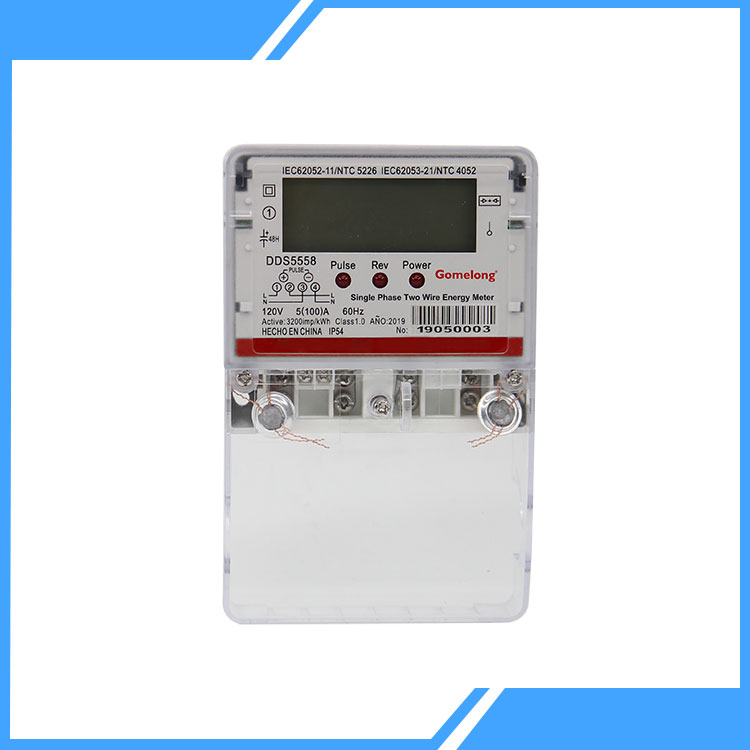
Buyers looking for a reliable Single Phase Electric Meter source often prefer manufacturers that show clear product focus and practical export readiness. Zhejiang Gomelong Meter Co., Ltd. draws attention because it is positioned around meter manufacturing rather than treating the product as a side offering. That matters when buyers want more than a one-time quote and are thinking about repeat business, project matching, or customized supply.
What I find especially important in this kind of supplier is the ability to balance technical understanding with commercial cooperation. A serious manufacturer should be able to discuss accuracy expectations, structural design, application fit, and order handling without making the process unnecessarily complicated. That kind of communication gives buyers a more solid basis for decision-making.
For importers, distributors, and engineering-related purchasers, a manufacturer becomes more valuable when it can support both standard and tailored needs. That means the conversation is no longer only about product availability. It becomes about whether the supplier can help reduce risk, support business growth, and make future purchasing easier. That is the sort of advantage that keeps buyers coming back instead of starting from zero every time.
Is a Single Phase Electric Meter always the right choice for small-scale measurement?
Not always. The right choice depends on the electrical setup, the project environment, and the actual measurement requirement. Product selection should match the application, not just the product name.
Should I compare products mainly by price?
I would not recommend that. Price should be considered together with quality consistency, installation suitability, and supplier responsiveness. Looking only at unit cost can create bigger costs later.
What is the most common issue after purchase?
It is often not one dramatic failure, but a collection of smaller problems such as confusing installation, uneven batch quality, unclear communication, or weak long-term reliability.
Why does supplier communication matter so much?
Because unclear communication during the quote stage often turns into product mismatch or order friction later. A responsive supplier reduces uncertainty before problems have a chance to grow.
Can a manufacturer support custom requirements?
Many experienced manufacturers can, especially when they have stable production capability and clear product knowledge. It is best to discuss custom needs as early as possible.
If you are planning to source a Single Phase Electric Meter, the smartest move is not simply to ask for the cheapest offer. It is to choose a product and a supplier that can support reliable long-term use, consistent performance, and smoother project execution. A good meter should help you avoid disputes, save time during installation, and support your business with fewer hidden problems after delivery.
If you want to work with a manufacturer that understands product quality, practical application needs, and long-term supply cooperation, Zhejiang Gomelong Meter Co., Ltd. is worth considering. If you are ready to discuss specifications, quantity, customization, or project requirements, please contact us today and take the next step toward a more dependable meter solution.