


Article Summary
A Din Rail Meter is often chosen when electrical cabinets, sub-distribution boards, rental units, solar systems, small factories, and commercial buildings need compact energy measurement without wasting panel space. The real challenge for buyers is not simply finding a meter that fits a rail. The harder question is whether the device can provide stable readings, easy installation, clear display, safe wiring, long service life, and practical options for future energy management.
This article explains how to evaluate a Din Rail Meter from a buyer’s point of view. It looks at common pain points such as limited cabinet space, unclear consumption data, difficult installation, inaccurate readings, poor compatibility, maintenance cost, and supplier reliability. It also introduces how Zhejiang Gomelong Meter Co., Ltd. approaches Din Rail Meter production for customers who care about both practical field performance and long-term procurement confidence.
Table of Contents
- Article Outline
- Why does a Din Rail Meter matter in modern power distribution?
- What problems do buyers usually face before choosing a Din Rail Meter?
- Which features should be checked before purchase?
- Where can a Din Rail Meter be used effectively?
- How does a Din Rail Meter compare with traditional panel meters?
- Why does supplier capability affect long-term meter performance?
- How should buyers build a practical purchasing checklist?
- FAQ
- Contact Us
Article Outline
- Understanding the role of Din Rail Meter in compact electrical systems
- Identifying common buyer pain points in installation, accuracy, and maintenance
- Reviewing key features such as phase type, display, pulse output, communication, and safety design
- Comparing Din Rail Meter options for residential, commercial, industrial, and renewable energy projects
- Explaining why manufacturer experience and production control matter
- Providing a clear buying checklist and FAQ for procurement teams
Why does a Din Rail Meter matter in modern power distribution?
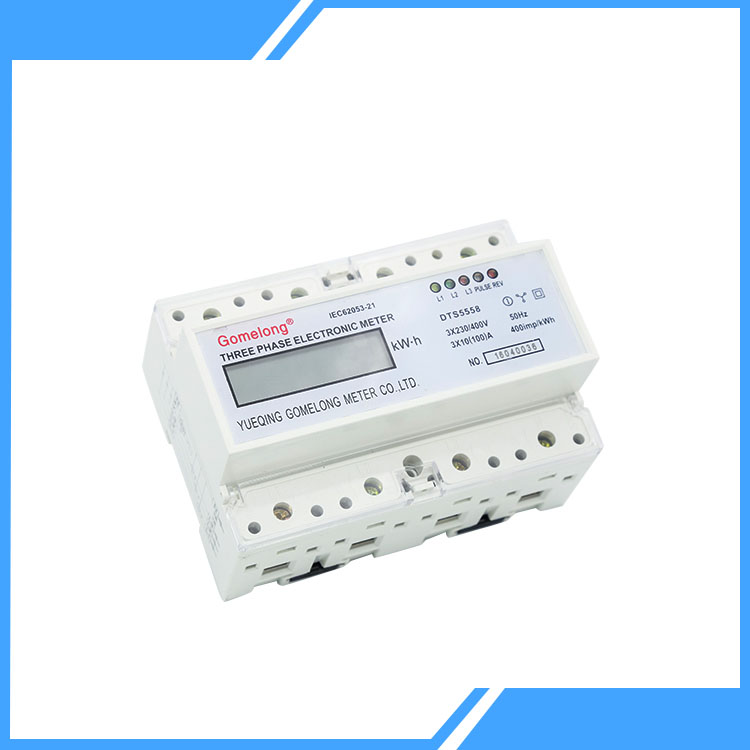
Electrical systems are becoming more compact, more data-driven, and more cost-sensitive. In many buildings, the old habit of installing bulky meters in oversized cabinets no longer works well. Contractors want faster installation. Facility managers want clearer consumption data. Property owners want fair billing. Industrial users want stable monitoring for different loads. A Din Rail Meter answers these needs because it is designed to mount directly onto a standard DIN rail inside a distribution box or control cabinet.
The most obvious advantage is space saving. In a crowded panel, every millimeter matters. A Din Rail Meter can be arranged neatly beside circuit breakers, contactors, surge protection devices, and other modular electrical components. This makes the cabinet cleaner and easier to maintain. When a technician opens the box, the metering point is visible, organized, and accessible.
Another advantage is practical energy visibility. Many users do not discover waste until the electricity bill becomes painful. A well-selected Din Rail Meter allows energy consumption to be measured at the circuit, tenant, machine, floor, charging point, or small production line level. Instead of guessing where power is being used, the owner can identify the source of consumption with better confidence.
For buyers, the value of a Din Rail Meter is not only the product price. It is the ability to reduce disputes, improve measurement transparency, simplify cabinet design, and support a more organized electrical management system.
What problems do buyers usually face before choosing a Din Rail Meter?
Many buyers start with a simple request: they need a meter. But once the project moves forward, small details begin to matter. Will the meter fit the existing cabinet? Is it suitable for single phase or three phase wiring? Can it handle the required voltage and current? Is the reading clear enough for daily checking? Does the supplier understand export requirements? These questions can affect the success of the whole installation.
One common pain point is unclear specification matching. A purchasing team may receive a model number from an engineer, but the actual site condition may require a different current range, wiring mode, accuracy class, or communication option. If the wrong Din Rail Meter is selected, the result may be rework, delayed installation, or inaccurate energy records.
Another problem is installation difficulty. Some meters look suitable on paper but are inconvenient in the field. Terminals may be hard to access, wiring diagrams may not be clear, or the display may be difficult to read after the cabinet door is installed. A good Din Rail Meter should support practical installation, not create extra work for the electrician.
Billing disputes are also common in apartments, rental shops, markets, workshops, and shared facilities. When power usage is not measured clearly, tenants and operators may argue about charges. A properly installed Din Rail Meter helps create a more transparent basis for electricity cost allocation.
Long-term stability is another concern. A low-cost meter that fails early, drifts in accuracy, or becomes difficult to read after months of operation can cost more than expected. Buyers should look beyond the initial quotation and consider product consistency, factory process control, and after-sales communication.
Which features should be checked before purchase?
Choosing a Din Rail Meter should begin with the electrical system itself. The first question is whether the project needs a single phase meter, a three phase meter, or a three phase four wire meter. Residential sub-metering may only need a compact single phase design, while commercial and industrial systems often require three phase measurement.
The second point is measurement purpose. Some users only need total active energy consumption. Others may need pulse output, reverse energy indication, LCD display, mechanical register, or communication functions. For basic billing, a clear kWh reading may be enough. For energy management systems, remote reading and data integration may be more important.
The third point is installation environment. A Din Rail Meter installed in a clean indoor distribution box faces different conditions from one used in a hot workshop, outdoor cabinet, pump control panel, or renewable energy system. Buyers should check operating temperature, enclosure protection, terminal quality, and wiring safety.
| Feature to Check | Why It Matters | Buyer’s Practical Question |
|---|---|---|
| Phase Type | Determines whether the meter fits single phase or three phase systems. | Is the site single phase, three phase three wire, or three phase four wire? |
| Current Rating | Prevents mismatch between load demand and meter capacity. | What is the maximum current of the circuit being measured? |
| Display Type | Affects reading convenience and field inspection. | Does the user prefer LCD, LED indication, or mechanical register? |
| Pulse Output | Supports external monitoring and data collection. | Will the meter connect to another device or monitoring system? |
| Communication Option | Useful for remote reading and energy management. | Does the project need RS485, Modbus, or another communication method? |
| Installation Width | Helps plan cabinet layout and avoid space conflicts. | How many modules can the distribution box accept? |
| Supplier Support | Reduces mistakes during model selection and procurement. | Can the supplier provide clear product guidance before ordering? |
A reliable buying decision usually comes from matching all these details together. A Din Rail Meter should not be selected only because it is compact or low priced. It should match the load, installation method, reading needs, safety expectations, and long-term management plan.
Where can a Din Rail Meter be used effectively?
A Din Rail Meter can be used in many places where compact metering and clear energy records are needed. In apartment buildings, it can help measure electricity consumption for individual rooms, floors, shops, or public areas. In commercial buildings, it can support sub-metering for lighting systems, air conditioning, elevators, charging points, or different business tenants.
In factories, a Din Rail Meter may be installed in machine control cabinets or workshop distribution boards to track energy use for production lines, pumps, motors, compressors, or auxiliary equipment. When managers can see which section consumes more power, they can make better decisions about load scheduling and energy-saving improvements.
Renewable energy projects can also benefit from DIN rail mounted metering. Solar systems, inverter cabinets, battery storage units, and small distributed power projects often need compact measurement devices. A meter that fits neatly inside the electrical box can make the whole system easier to assemble and inspect.
- Residential sub-metering for apartments, dormitories, and rental units
- Commercial tenant billing in shops, offices, and mixed-use buildings
- Factory energy monitoring for machines, pumps, and production lines
- Distribution cabinet measurement in electrical engineering projects
- Solar power and energy storage system metering
- Public facility monitoring for lighting, HVAC, and shared equipment
- Small utility projects requiring compact and organized installation
The broad application range is one reason buyers pay close attention to Din Rail Meter quality. The same product category may serve very different environments, so model selection must be handled with care.
How does a Din Rail Meter compare with traditional panel meters?
Traditional panel meters still have their place, especially in larger control rooms or visible front-panel applications. However, they are not always the most convenient option for modular distribution systems. A Din Rail Meter is usually easier to integrate into modern electrical cabinets because it shares the same mounting logic as many other DIN rail components.
| Comparison Point | Din Rail Meter | Traditional Panel Meter |
|---|---|---|
| Installation | Mounted directly on DIN rail, suitable for modular cabinets. | Often requires panel cutout or separate mounting arrangement. |
| Space Usage | Compact and efficient in distribution boxes. | May take more front-panel or enclosure space. |
| Maintenance | Easy to locate with other circuit protection devices. | Access depends on cabinet design and mounting position. |
| Sub-metering | Well suited for multiple circuits or tenants. | Less convenient when many meters are required in one cabinet. |
| Project Flexibility | Good for residential, commercial, industrial, and renewable systems. | Better for certain display-focused or specialized panel applications. |
For buyers who need neat cabinet design and practical sub-metering, the Din Rail Meter often provides a more convenient answer. It supports a cleaner layout, easier installation, and better use of limited electrical box space.
Why does supplier capability affect long-term meter performance?
Energy meters are not decorative accessories. They are measurement devices that must work reliably after installation. This is why supplier capability matters. A professional manufacturer should understand not only product appearance, but also circuit design, component selection, production consistency, inspection, calibration, packaging, and export communication.
Zhejiang Gomelong Meter Co., Ltd. is connected with the development and production of electric metering products, including Din Rail Meter options for different installation needs. For overseas buyers, the value of working with an experienced meter supplier is practical: clearer communication, better model matching, more stable batch quality, and more confidence during repeat orders.
A strong supplier can help buyers avoid common mistakes. For example, a customer may ask for a compact meter but forget to mention the current transformer ratio, communication protocol, local voltage, or cabinet structure. A careful supplier will ask the right questions before production or shipment. That small step can prevent expensive field problems.
Product consistency is another important issue. If a buyer orders a Din Rail Meter for a large project, every unit should meet the expected standard. Differences in display quality, terminal tightness, shell finish, or measurement stability can create trouble during installation. Factory process control helps reduce these risks.
A low quotation is easy to compare, but hidden project costs are harder to see. Rewiring, replacement, delayed commissioning, and customer complaints can cost far more than the price difference between two meters. Smart buyers evaluate the complete supply value, not only the unit price.
How should buyers build a practical purchasing checklist?
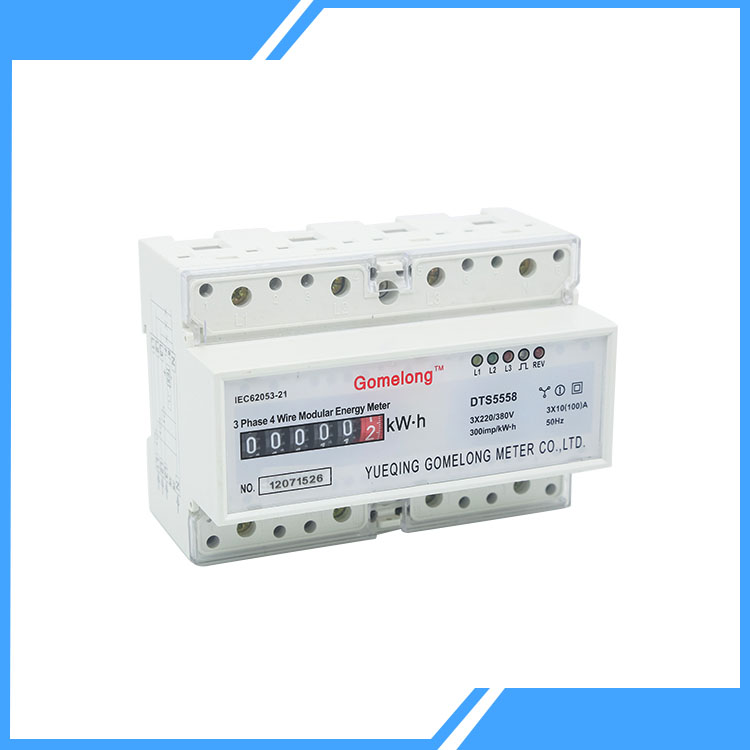
Before sending an inquiry for a Din Rail Meter, buyers can save time by preparing clear project information. This makes supplier communication faster and reduces back-and-forth confirmation. It also helps the supplier recommend a suitable model instead of guessing.
- Confirm whether the system is single phase or three phase.
- Provide voltage, frequency, and current requirements.
- State whether direct connection or CT connection is needed.
- Clarify whether the meter is used for billing, monitoring, or internal reference.
- Check whether pulse output or communication function is required.
- Confirm cabinet space and DIN rail arrangement.
- Ask about display type, reading method, and installation direction.
- Request product documents, wiring guidance, and packaging details when needed.
- Discuss order quantity, customization needs, delivery expectations, and after-sales support.
Buyers should also consider future expansion. A project may begin with simple energy reading, but later require remote monitoring or system integration. Choosing a Din Rail Meter family with flexible options can make future upgrades easier.
In procurement, the best result usually comes from a clear conversation between the buyer and the manufacturer. Instead of asking only for the cheapest model, describe the application. A supplier who understands the actual use case can help avoid mismatch and recommend a better-fit product.
FAQ
What is a Din Rail Meter used for?
A Din Rail Meter is used to measure electrical energy consumption in distribution boxes, control cabinets, sub-metering systems, apartments, commercial buildings, factories, and renewable energy projects. It is designed to mount on a standard DIN rail, making installation compact and organized.
Is a Din Rail Meter suitable for tenant billing?
Yes, it can be suitable for tenant billing when the model, accuracy, wiring, and local requirements match the project. Many property owners use Din Rail Meter products to separate electricity consumption by room, shop, floor, or circuit.
Can one Din Rail Meter work for both single phase and three phase systems?
Not always. Single phase and three phase systems usually require different meter designs. Buyers should confirm the site wiring before choosing a model.
Does a Din Rail Meter need communication function?
It depends on the project. For simple reading, a local display may be enough. For remote monitoring, energy management, or automatic data collection, communication functions such as RS485 or related protocols may be useful.
How can buyers reduce the risk of choosing the wrong meter?
Buyers should provide voltage, current, phase type, wiring method, cabinet space, application, and reading requirements before ordering. Clear project information helps the supplier recommend a suitable Din Rail Meter.
Why should I choose a manufacturer instead of a random trading source?
A manufacturer with meter production experience can usually provide better product consistency, technical communication, model guidance, and long-term supply support. For projects that require repeat orders or stable performance, this can be very important.
How can the right Din Rail Meter support your next project?
A well-chosen Din Rail Meter can make electrical distribution cleaner, energy data clearer, and project management easier. Whether your application is residential sub-metering, commercial tenant billing, industrial cabinet monitoring, or renewable energy measurement, the right model should fit the site instead of forcing the site to fit the meter.
Zhejiang Gomelong Meter Co., Ltd. can support buyers who need practical guidance, stable product supply, and suitable Din Rail Meter solutions for different power measurement applications. If you are comparing models, preparing a project quotation, or looking for a dependable meter supplier, contact us to discuss your requirements and receive professional product recommendations.