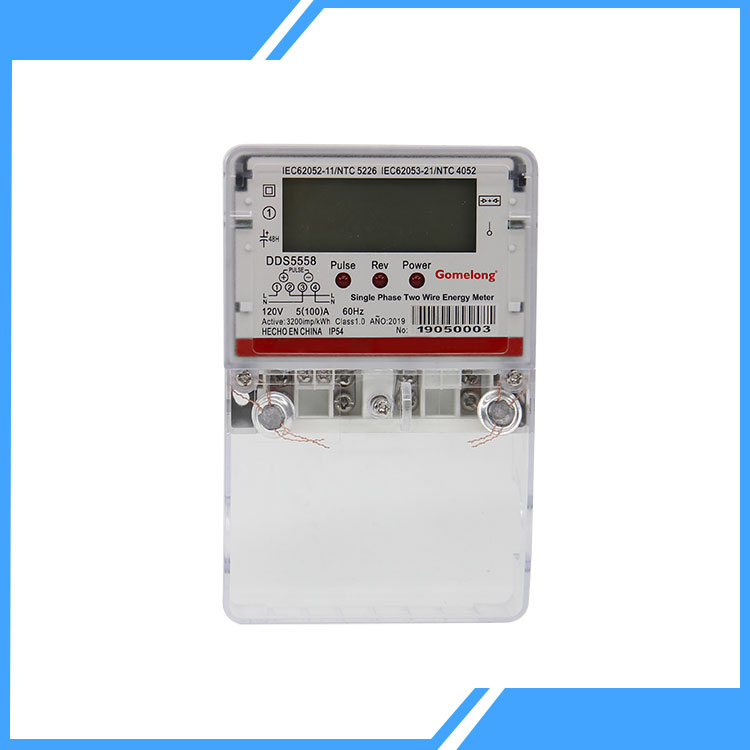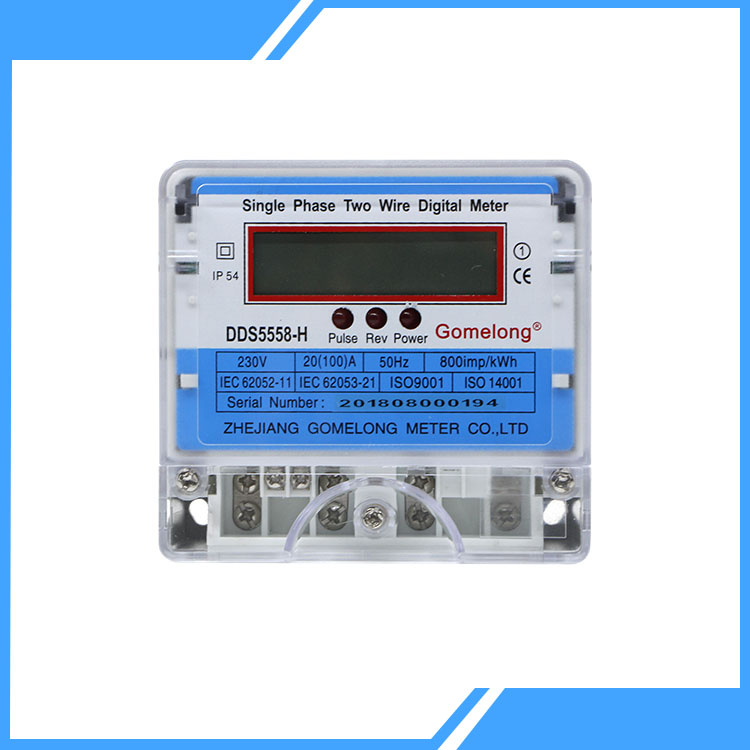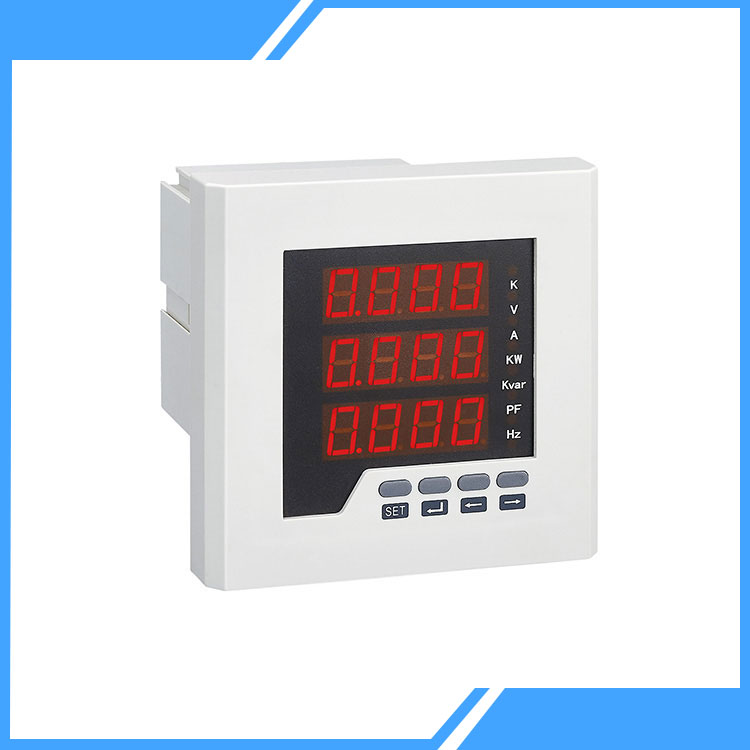
In many facilities, power data is everywhere but useful visibility is nowhere. Teams still rely on scattered instruments, delayed inspections, manual logs, and reactive troubleshooting. That usually leads to higher operating costs, uncertain energy use, and slow decisions when something starts going wrong. A Multifunction Meter changes that situation by bringing multiple electrical measurements into one device, giving operators a clearer, faster, and more practical way to understand what is happening across a power system.
For plants, commercial buildings, utilities, panel builders, and system integrators, the value is not just measurement. It is control, diagnosis, efficiency, and confidence. Zhejiang Gomelong Meter Co., Ltd. offers solutions designed for users who need reliable electrical data in real operating environments, especially where stability, communication, and long-term usability matter.
This article explains how a Multifunction Meter helps solve common customer problems such as limited visibility, rising energy costs, difficult fault tracing, crowded panel space, and poor data coordination between equipment and management systems. It also breaks down the practical features buyers usually care about most, including real-time measurement, data access, communication convenience, and long service life. If you are comparing metering options or planning an upgrade, this guide will help you understand where a multifunction solution creates measurable value.
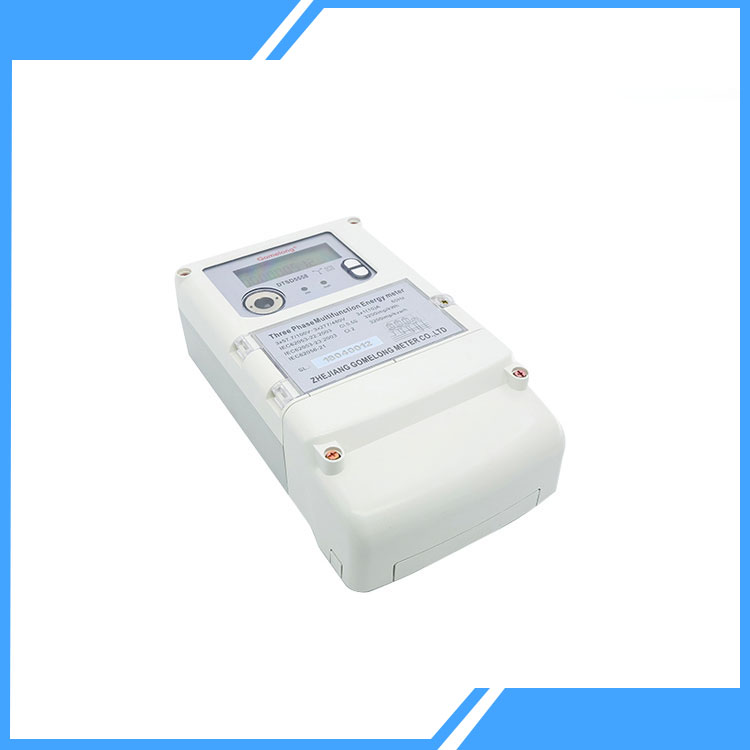
Many electrical systems do not fail dramatically at first. They become expensive, inconvenient, and difficult to manage. That is where the frustration starts. A facility manager might know the monthly electricity bill is too high but cannot tell which loads are responsible. A maintenance team may notice unstable performance but lack a clear view of voltage, current, active energy, or operating trends. An equipment integrator may need a cleaner way to gather data without filling a panel with separate devices.
These issues usually appear in a few familiar forms:
Buyers do not simply want “more data.” They want data that helps them act. A good Multifunction Meter addresses this exact gap by consolidating measurement and making electrical information easier to read, transmit, and use.
The biggest strength of a Multifunction Meter is integration. Instead of forcing a user to combine readings from multiple devices, it centralizes key electrical parameters in one place. That immediately improves clarity. Operators can understand system behavior faster, technicians can troubleshoot with less guesswork, and managers can make decisions based on timely information rather than rough estimates.
In day-to-day use, the impact is practical rather than abstract. A multifunction solution can support more accurate tracking of energy consumption, help detect irregular power conditions earlier, and reduce the burden of manual checking. For operations that depend on continuous uptime, even a small reduction in response time can matter.
It also supports a cleaner workflow between the field and the office. If a meter includes communication capability, teams do not have to depend only on local visual inspection. That means less delay, better coordination, and a more complete picture of power usage across the site.
| Operational Challenge | What Usually Happens Without Integration | What a Multifunction Meter Helps Improve |
|---|---|---|
| Energy tracking | Readings are incomplete, delayed, or inconsistent | More centralized and usable measurement data |
| Fault response | Teams spend extra time locating the source of a problem | Faster visibility into abnormal electrical conditions |
| Panel design | Multiple devices increase wiring and space requirements | More compact and organized instrumentation layout |
| Maintenance planning | Interventions are often reactive | Better awareness of system behavior over time |
| Data access | Information stays local and fragmented | Easier integration into broader monitoring workflows |
Not every buyer looks at a meter the same way. Some focus on communication. Some care about long-term reliability. Some need easy installation in a three-phase environment. But the strongest buying decisions usually come from understanding which functions actually solve operational pain.
A useful Multifunction Meter should support clear and dependable monitoring, especially in systems that require stable long-term use. Buyers often pay close attention to the following points:
These are not just technical specifications on paper. They affect whether the meter remains practical after installation. For example, communication support can simplify remote data collection. A built-in clock helps organize records more clearly. Long-life internal power support can make a product more dependable over time. In a busy facility, these details reduce friction.
That is why product selection should never be based only on unit price. The real question is how much operational value the meter can create after commissioning. A lower-cost option that creates communication difficulty or unreliable data can become much more expensive later.
A Multifunction Meter is especially valuable in places where electrical performance affects uptime, cost control, or service quality. That includes manufacturing workshops, energy distribution panels, commercial buildings, utility projects, infrastructure sites, and integrated automation systems.
In industrial environments, operators need better visibility because loads change, equipment runs continuously, and unexpected interruptions can be expensive. In commercial buildings, managers need to understand consumption patterns across systems and tenants. In project engineering, designers often want a compact and adaptable metering solution that supports both functionality and installation efficiency.
Typical applications include:
For buyers looking for a dependable supply partner, manufacturing background matters too. Product consistency, production capability, and experience in electrical metering all influence long-term confidence. That is one reason many customers pay attention not only to the meter itself, but also to the technical and production strength behind it.
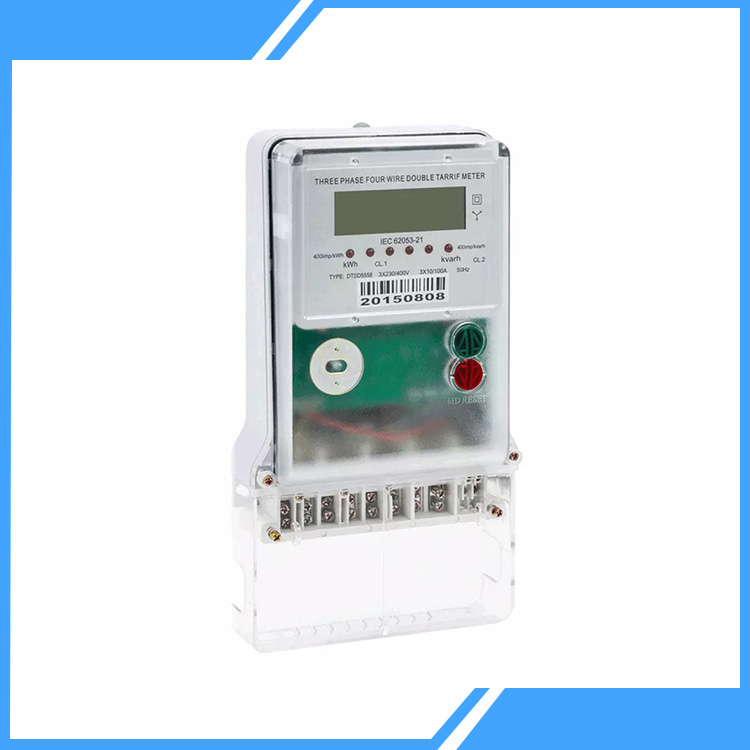
The difference is not only about how many values can be displayed. It is about whether the monitoring approach fits the speed and complexity of present-day operations. Traditional arrangements often work, but they tend to create extra steps. A multifunction approach usually reduces those steps.
| Comparison Point | Traditional Metering Setup | Multifunction Meter Approach |
|---|---|---|
| Device count | Often requires several instruments | Combines more functions in one unit |
| Panel space | Can become crowded quickly | Usually supports a cleaner layout |
| Data management | More fragmented and manual | More unified and easier to interpret |
| System visibility | Depends on separate readings | Provides a broader operating picture |
| Troubleshooting speed | Can involve more guesswork | Helps narrow issues faster |
| Expansion readiness | May require added instruments later | Better suited to evolving monitoring needs |
A buying decision becomes easier when the goal is clear. If your operation needs cleaner monitoring, easier communication, reduced instrumentation complexity, and stronger day-to-day visibility, a Multifunction Meter is often the more sensible path.
1. Is a Multifunction Meter only useful for large industrial sites?
No. It is valuable anywhere users need more than a basic reading. Commercial buildings, smaller facilities, control panels, and retrofit projects can all benefit from better measurement visibility and a more integrated setup.
2. What is the main reason customers replace separate meters with one Multifunction Meter?
The main reason is efficiency. One device can simplify panel design, reduce wiring complexity, improve data access, and make monitoring more practical for both field personnel and management teams.
3. Does communication capability really matter for day-to-day use?
Yes. Communication support can make data collection faster and more consistent, especially in sites where operators need remote visibility or want to reduce manual checking.
4. What should buyers look at besides price?
Buyers should consider long-term usability, compatibility with their application, communication methods, measurement range, product stability, and the supplier’s manufacturing experience.
5. Can a Multifunction Meter help with energy management decisions?
Yes. Better visibility into electrical performance makes it easier to understand consumption behavior, identify inefficiencies, and support more informed operational decisions.
If your team is still dealing with scattered readings, slow diagnosis, or limited visibility into electrical performance, a well-designed Multifunction Meter can make a real difference. It is not just a measurement device. It is a practical tool for improving uptime, simplifying monitoring, and making daily power management far easier to handle.
Zhejiang Gomelong Meter Co., Ltd. understands what customers need from a reliable metering solution: clear data, dependable operation, and products that fit real project demands. If you are looking for a smarter way to monitor your electrical system, now is the right time to move forward. Contact us today to discuss your application, request product details, and find the right solution for your project.